Turn finished projects into the next job.
The best proof you have is the building you just handed over. Right now it is a folder of phone snaps.
We photograph it, film it, write it up and take it to the press, so one project keeps working long after the site has closed.
Book a growth consultation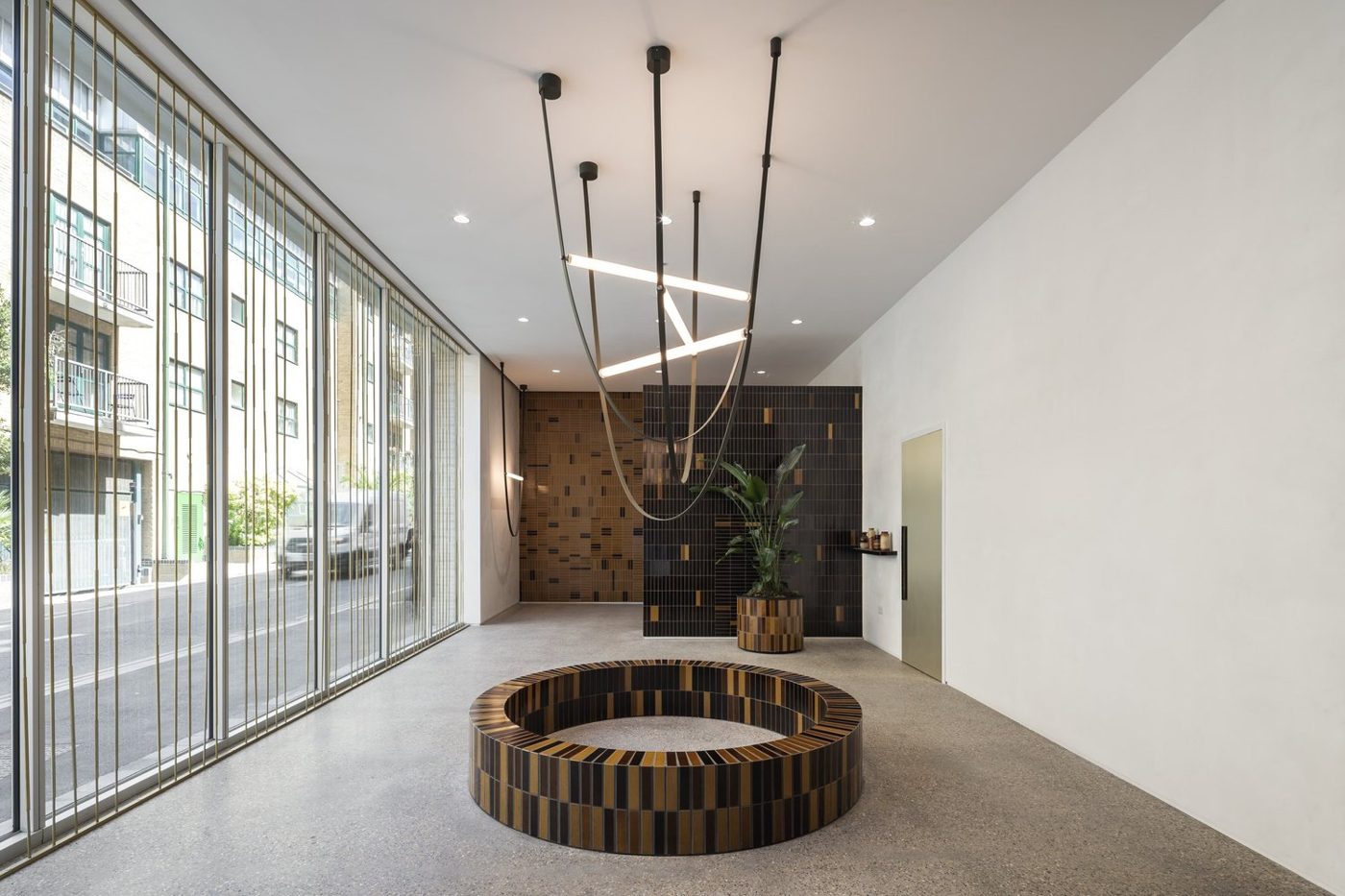
What is going wrong
For most firms, marketing a construction project means a few photographs and one post before the next job starts. The project finishes in the busiest fortnight of the programme, so nobody writes it up. Five years of that and a firm with a strong track record has very little to put in front of a client.
Handed over and forgotten
All that is left is a few photographs on someone's phone.
- No images a publication can print
- No write-up a client can find
- The hoardings come down and the proof goes
One project, working everywhere
The same project is photographed, written up on your own site and sent to the right editors.
- A page that can be found by building type
- A photo library you own and reuse
- A story the press can pick up and link to
Good projects go unpublished because of timing, not intent.
- 1
The window is short
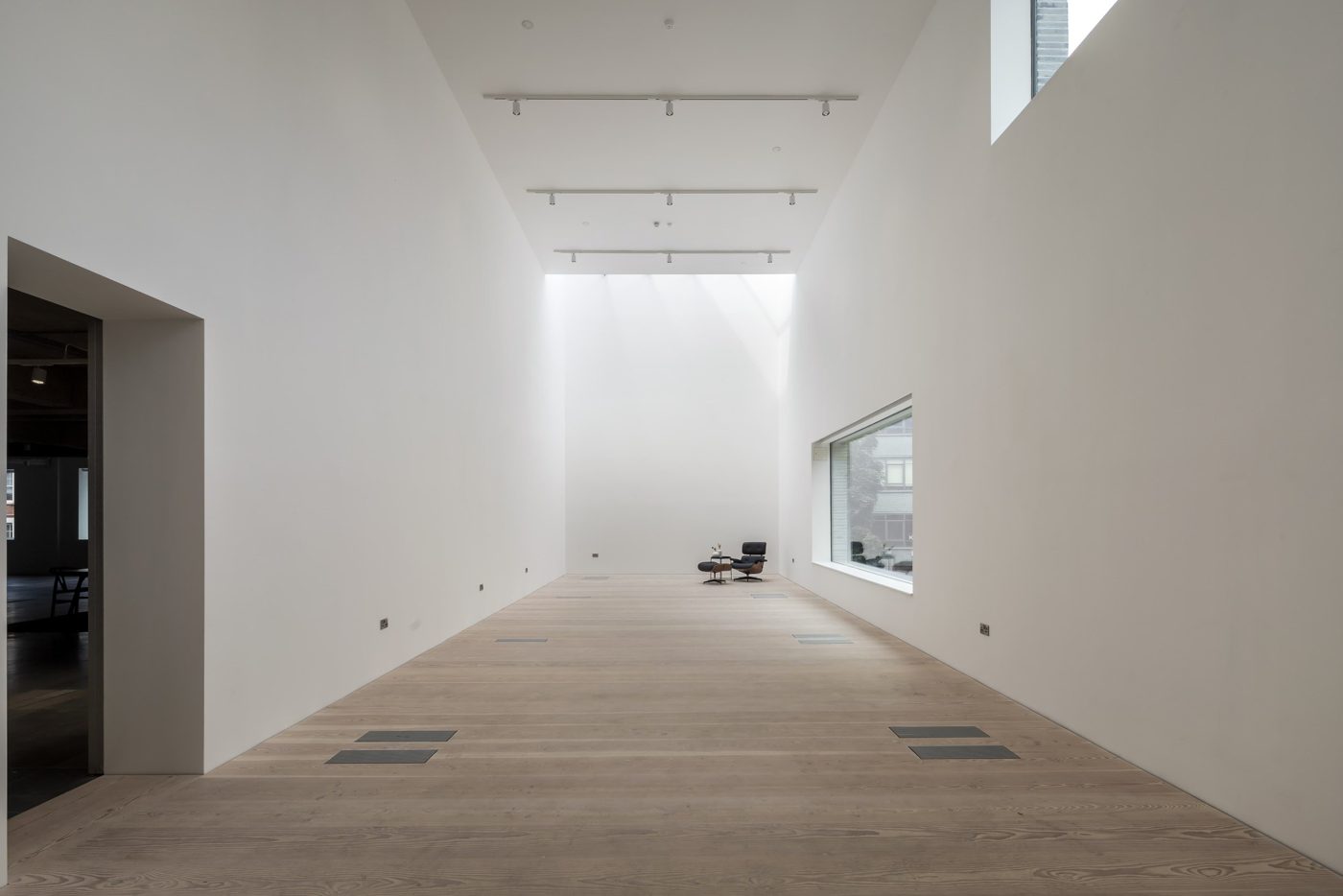
The best pictures come while a space is finished, clean and still empty. A fortnight on, the boxes have arrived. Six months on, it looks lived in.
- 2
It lands in the busiest fortnight
Snagging, handover, clearing the site and starting the next job all fall in the same two weeks. So the shoot is missed and the write-up never starts.
- 3
Permission is asked for too late
Client, architect and main contractor each have to agree before a project goes public. A clause in your appointment allowing photography and a write-up costs nothing. Eight months later it is very hard to get.
- 4
Pictures on their own are silent
A project page with nine photographs and eleven words of caption gives a search engine nothing to read. It also tells a client nothing about the brief, the constraint or how you solved it.
We put the proof into the programme.
Decide at the start that a project will be published. Then one project feeds everything else.
- 1
Get the shoot into the programme
Photography goes into the programme when the contract is signed, booked for the week after completion, with the permission wording agreed in the same paperwork. We plan the visit around the light and the stage of the build.
Done with
- 2
Photograph it to a publishing standard
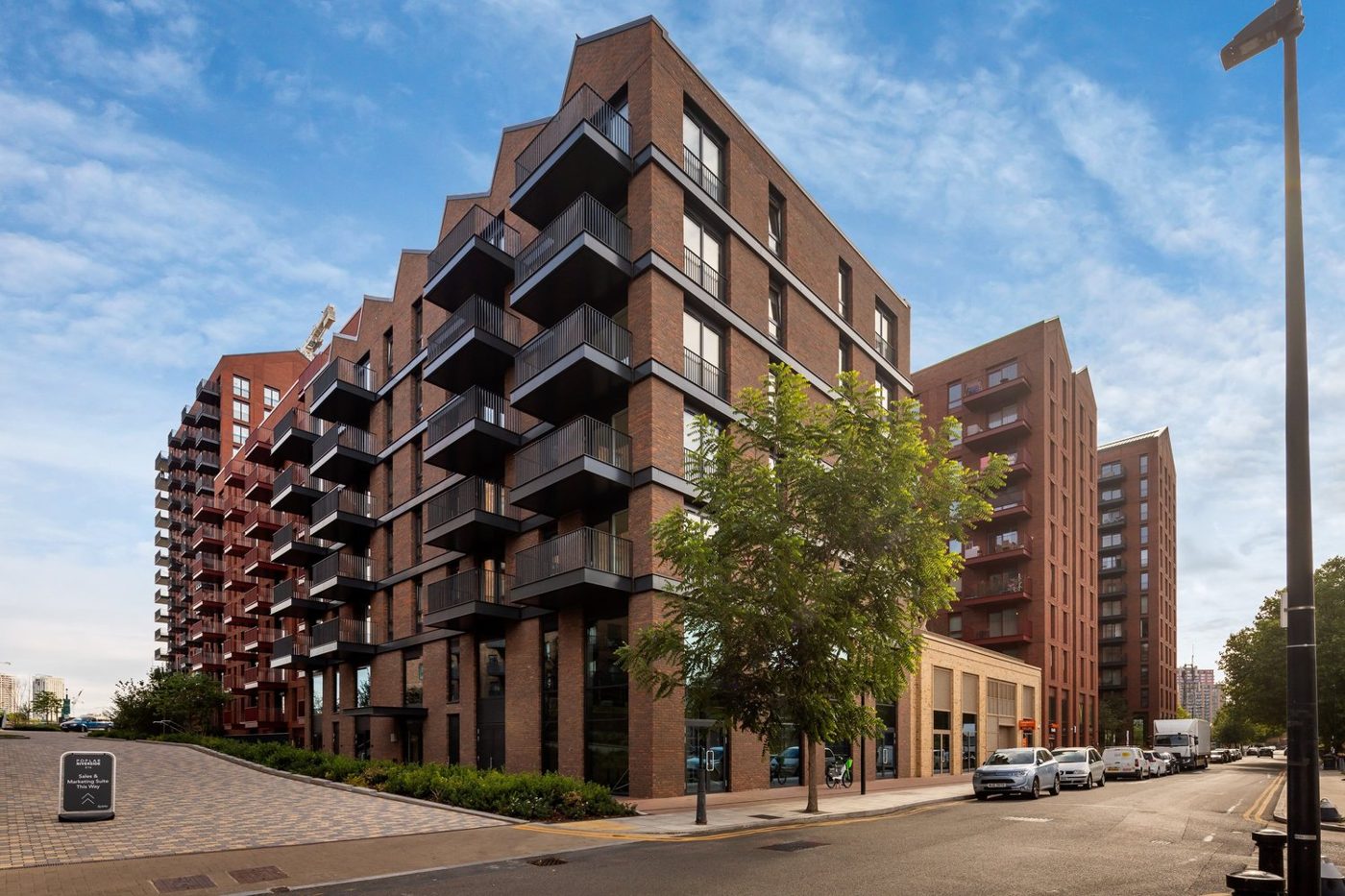
We shoot the project inside and out when the light is right, then the details and one or two people using the space. You receive the full edited library, licensed for web, print, ads and PR.
Done with
- 3
Film it, and capture a tour while it is empty
One planned day on the live site gives a case film, social clips and stills. We capture the tour once the space is finished and empty, and it stays usable for years.
- 4
Write it up on your own site
A few paragraphs beside the photographs cover what the client wanted, what made it hard, the figures and how you solved it. The title is what a client types: project type plus place.
Done with
- Project write-ups
- SEO
- 5
Take the story to the press
We find the angle an editor can use: a number, a first, a problem solved or a person. Then we pitch it to the titles your clients and peers read, with printable images and a page of yours to link to.
Done with
Delivering the project was the hard part, and that is done. This is the part that carries on selling.
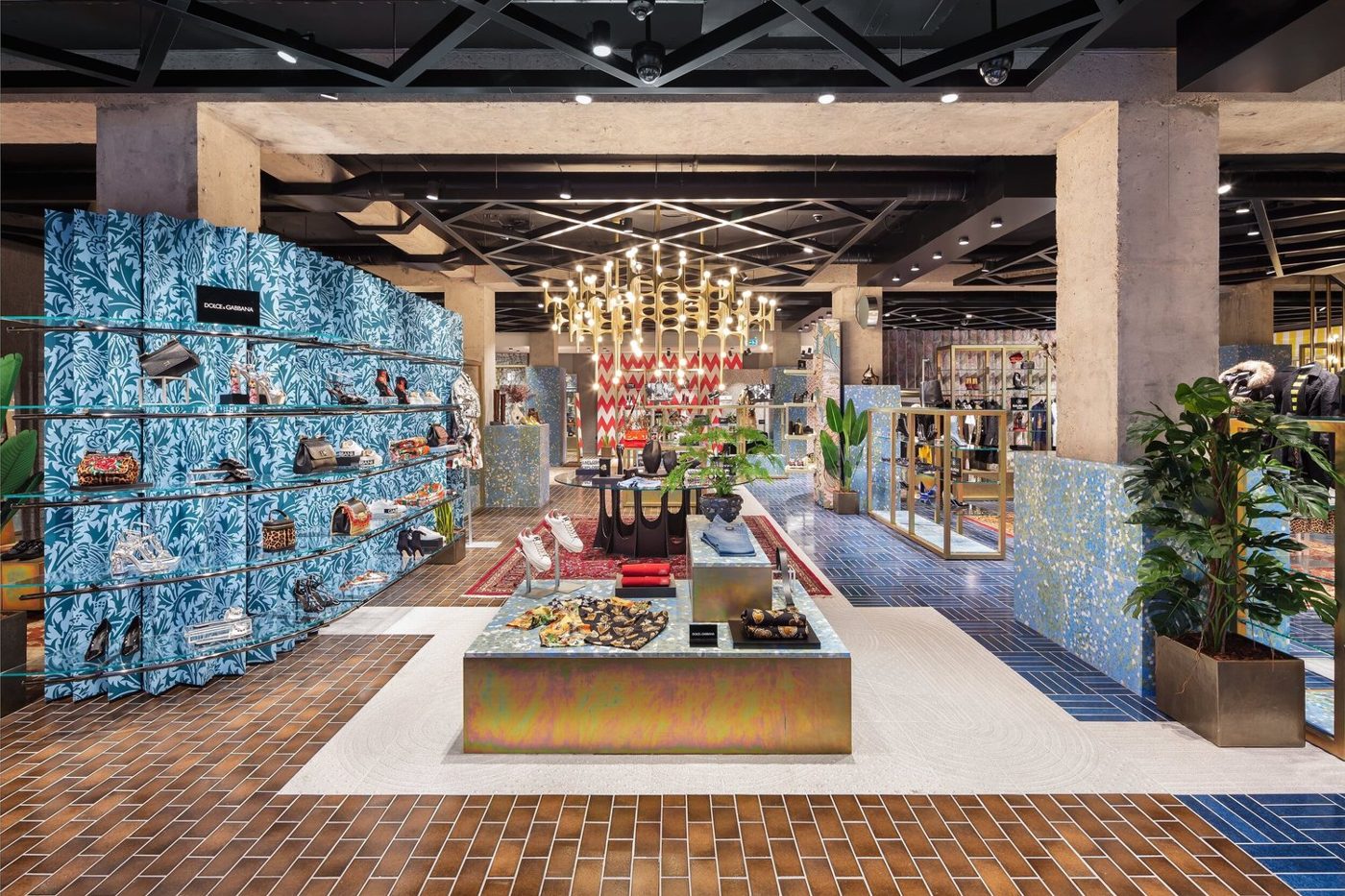
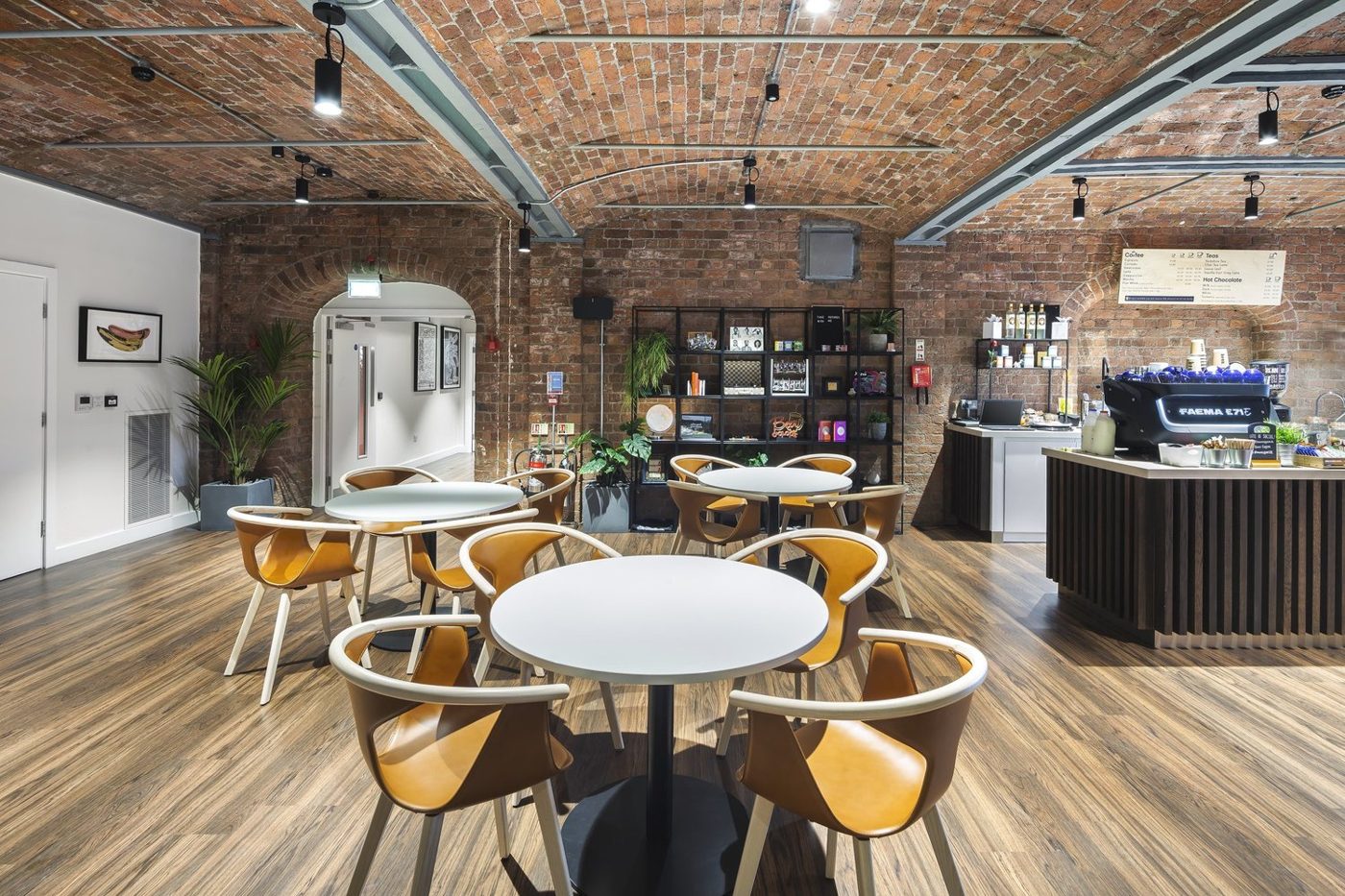
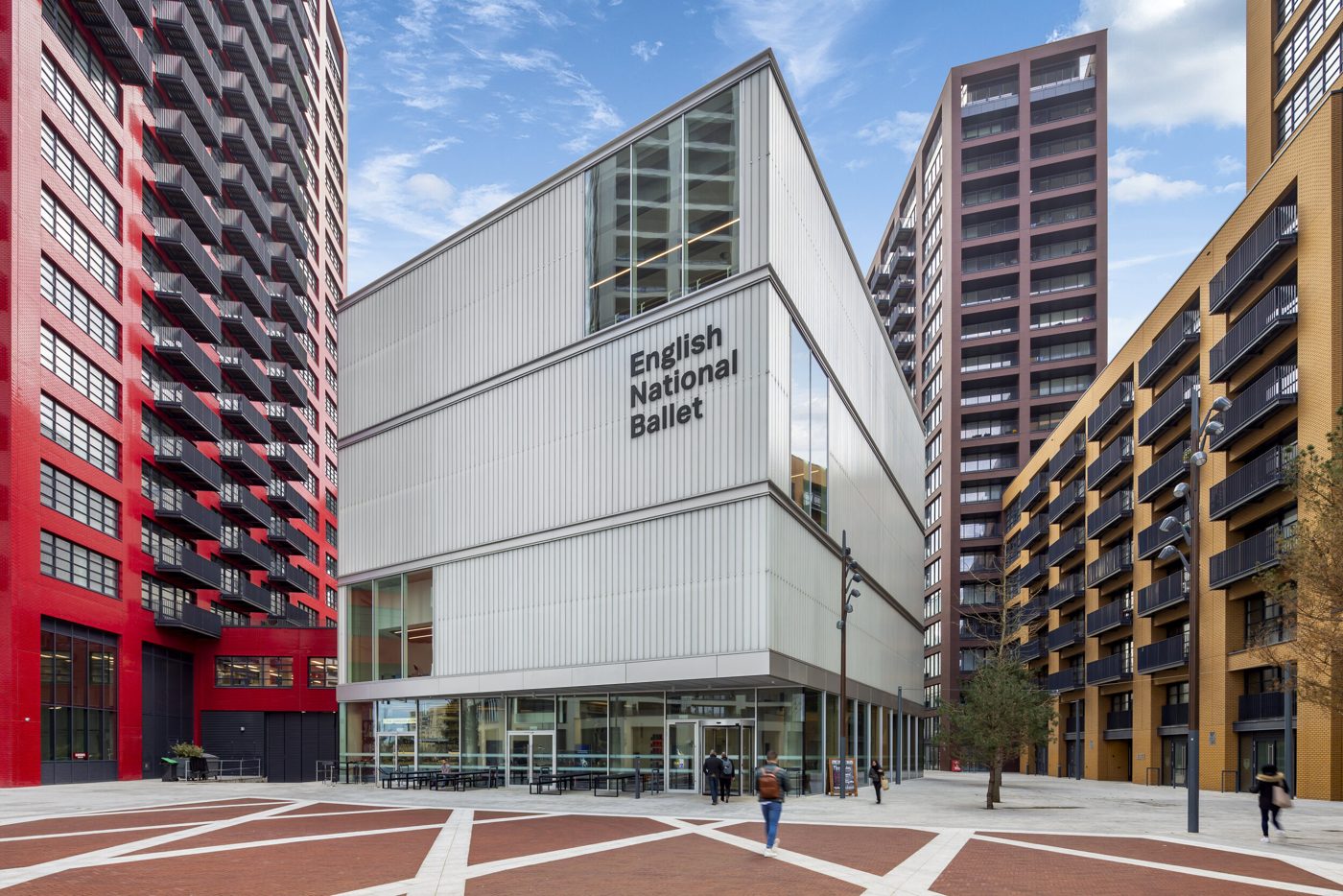
We started behind the lens. These are ours.
Read how we think about it.
Questions we get asked about finished work.
- When should we bring you in on a project?
- Ideally when the contract is signed. The shoot can then go in the programme for the week after completion, before anyone moves in. If you want film as well, plan it before the scaffolding comes down.
- The project finished a while ago. Is it too late?
- For the press, often. Editors want a project within a few months of completion, and one that finished eighteen months ago is old news. For your own site, no. The best of your back catalogue can still be written up as pages.
- We never agreed permission. What now?
- Write the page first and send it to the client with the photographs. A finished page is easier to approve than a request to write one. If they cannot be named, take the name out.
- Will a write-up get in the way of our photographs?
- No. We do not touch the photographs. The words go underneath or to one side, and they tell a client whether you have done their kind of project before.
- Will every project get press coverage?
- No, and we cannot promise a particular title. We only pitch a project when it has a story an editor can use, and we tell you when it does not.
Start with one project.
Tell us which project from the last year you are proudest of, or which one is about to complete. We will look for the story an editor would run and plan the shoot.
Book a growth consultationOr send a message