
Sell or let the space sooner.
A scheme that sells slowly costs you finance every month it runs. An empty floor costs you too.
We build the website, photography, tours and campaigns that give a buyer or an occupier a reason to choose yours.
Book a growth consultation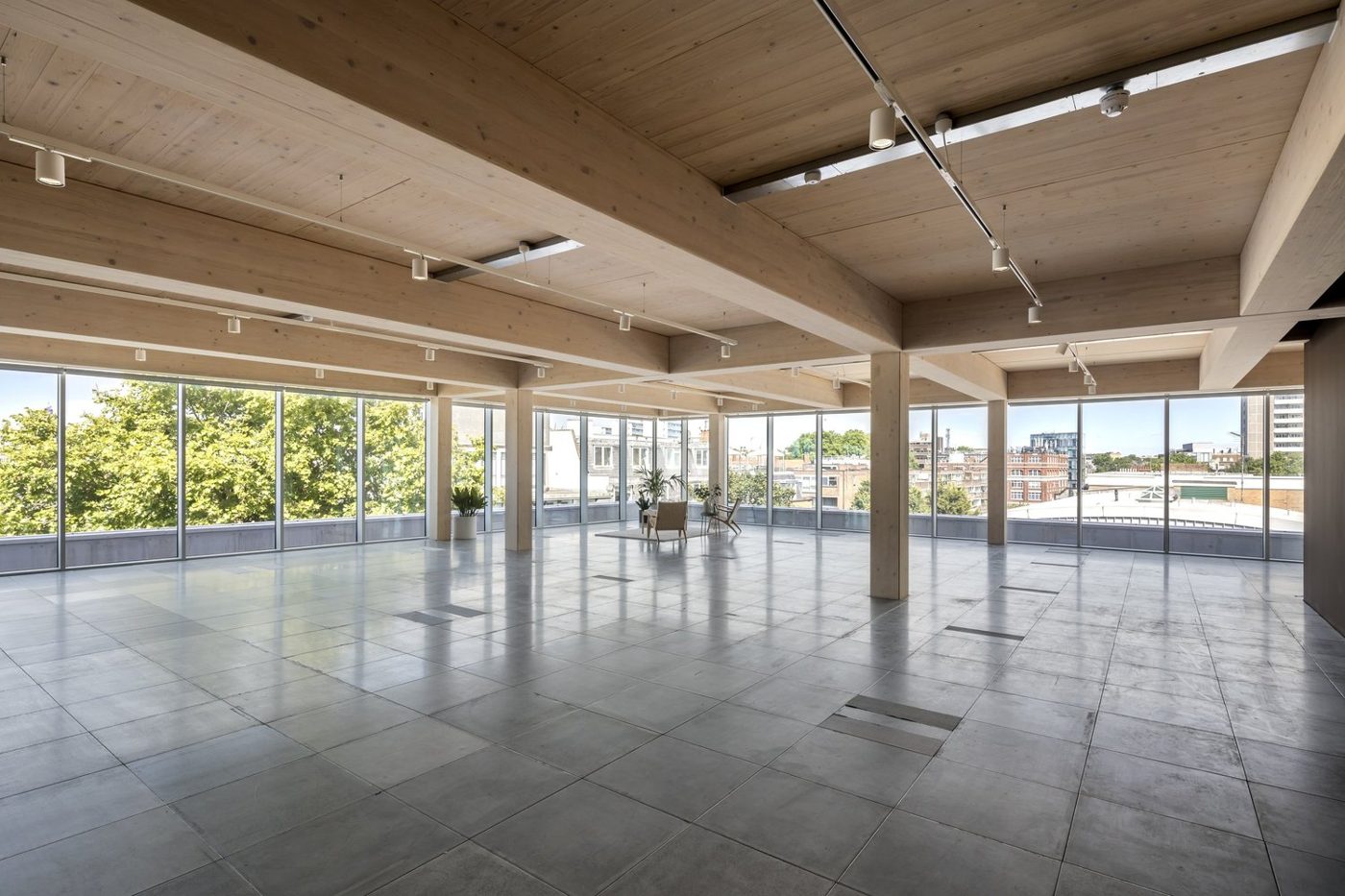
What is going wrong
New homes go to market late, with one CGI and a brochure. Commercial space goes on the portals with four dim photographs and the same particulars as every other listing. Either way the real questions go unanswered, so the space sits and the costs run.
Late, thin and the same as the rest
A buyer or an occupier sees what everybody else shows and has no reason to pick yours.
- Homes: one CGI, a brochure PDF and a late landing page
- Commercial: a floor plan, four dim photographs and a list of amenities
- Both: nothing about the area or the real costs
Early, complete and easy to picture
The scheme or the building has its own page that answers what people actually ask.
- Homes: published when the hoarding goes up, with the specification in full
- Commercial: photography, a tour and the numbers in full
- Both built to be found by their own name and street
Buyers and occupiers shortlist on a screen, long before they visit.
- 1
A render does not answer the real questions
For homes. A rendering shows what the building will look like. It says nothing about the area, the specification, or whether the developer has finished a scheme properly before.
- 2
The scheme website goes live too late
For homes. A site published a year out has a year for Google to come to trust it. One published three months out has too little time to rank, so paid advertising has to carry the whole launch.
- 3
Particulars make every space look the same
For commercial space. An occupier is deciding whether their team will want to come in. A floor plan and a bullet list leave them nothing to choose on except the rent.
- 4
Missing numbers get read as bad news
On a home, a missing specification or service charge estimate is read as something being hidden. On commercial space, holding back the rent and service charge filters out the serious occupiers.
We give the space its own page, and something real to put on it.
Your agent still does the deal. We build what they send people to.
- 1
Give the scheme or building its own website
A fast site that search engines can find, with availability, the story of the place and an easy way to enquire. Plots for a development, floor plans for a commercial building. Built to rank for its own name and street.
Done with
- 2
Publish the detail in full
On a new home that means heating, glazing, EPC, tenure and the service charge estimate. On commercial space: rent, rates, service charge, lease length and any break options. It is what serious people look for.
Done with
- 3
Photograph what is really there
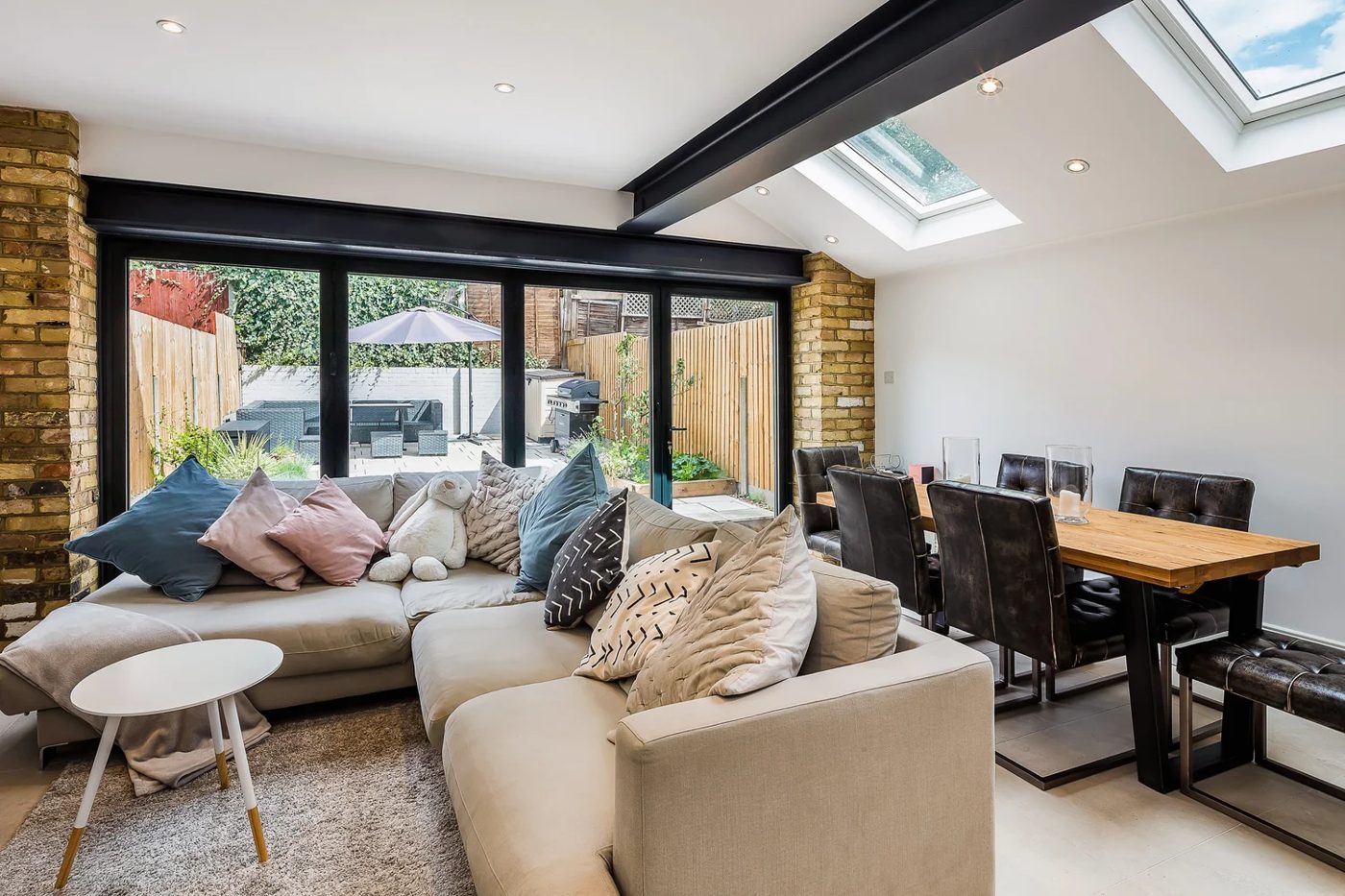
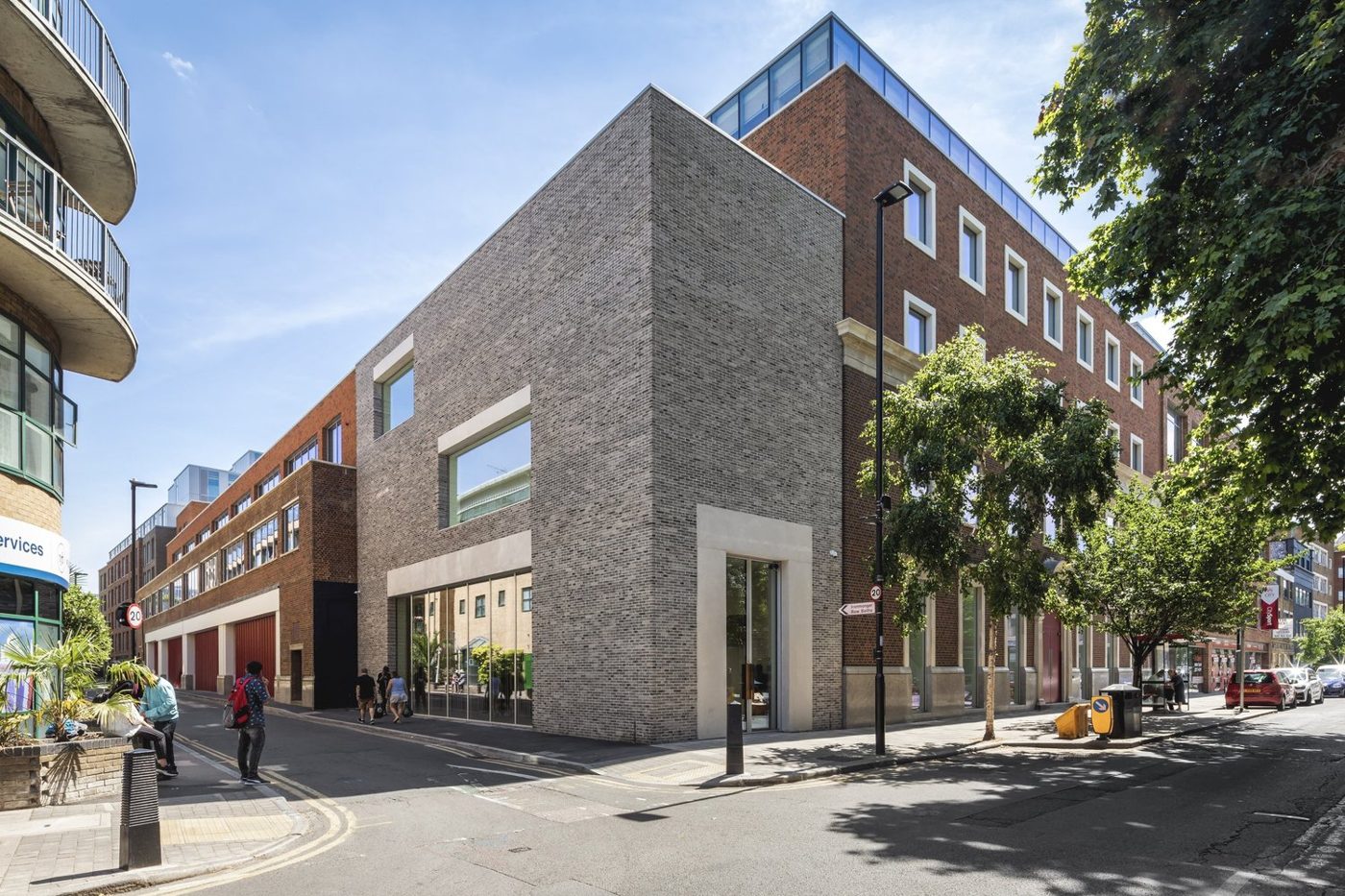
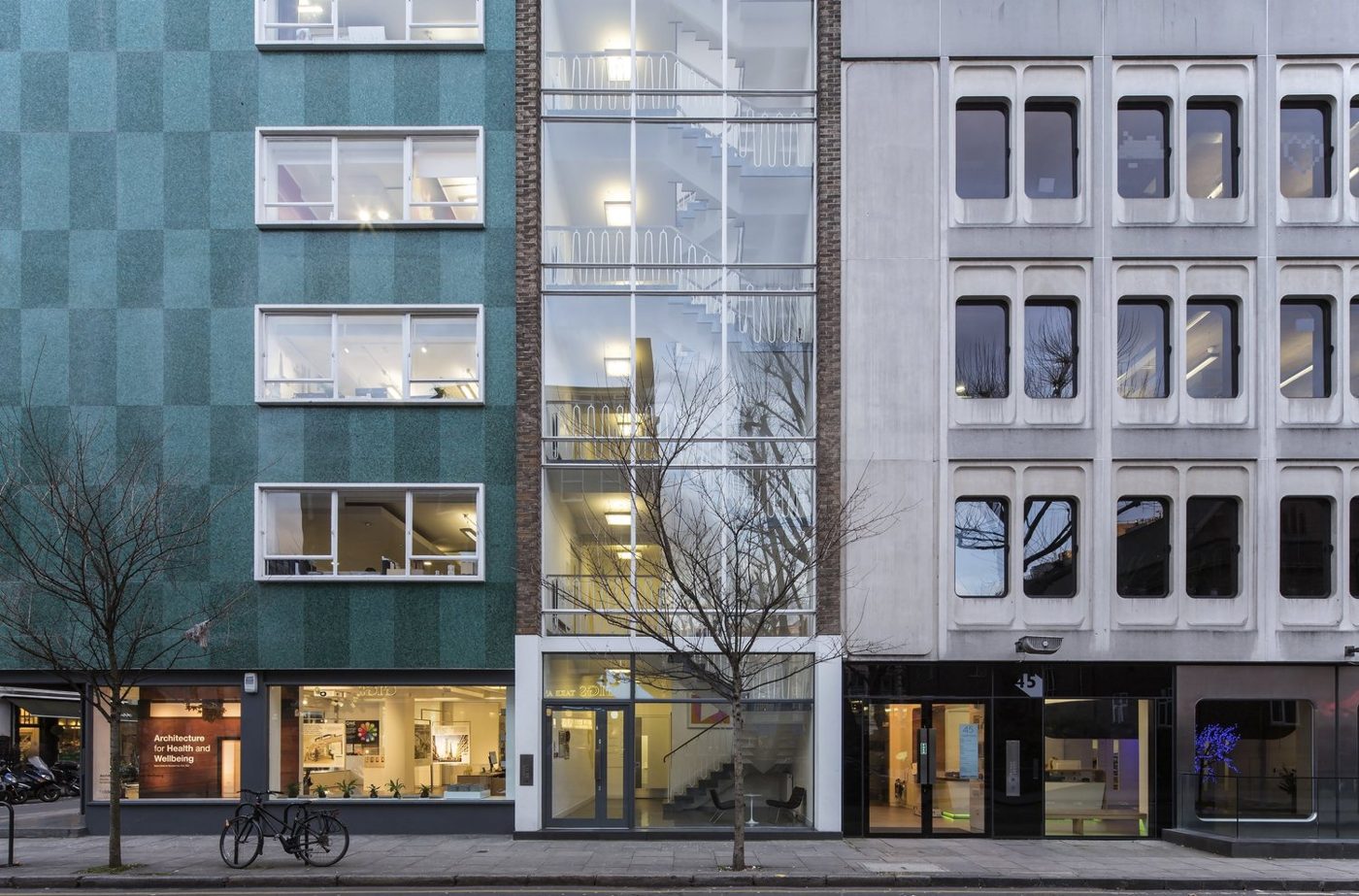
For homes: progress photography from site as the scheme rises, then the finished building in place of the renders. For commercial space: interiors, exteriors and detail, shot so an occupier can picture their team in the building.
Done with
- 4
Let people walk it from anywhere
A 360 tour of the show home keeps selling after the marketing suite closes. In a commercial building, occupiers and their advisors can walk the floor from a desk, so fewer viewings are wasted.
Done with
- 5
Put it in front of the right people
For homes we run Google Ads and adverts on Facebook and Instagram, aimed at the postcodes and prices your buyers search by. For commercial space we advertise the building's own page to a chosen local audience, so it can reach occupiers who are not looking at the portals.
Done with
Until the show home opens, what you publish is what a buyer has to go on.
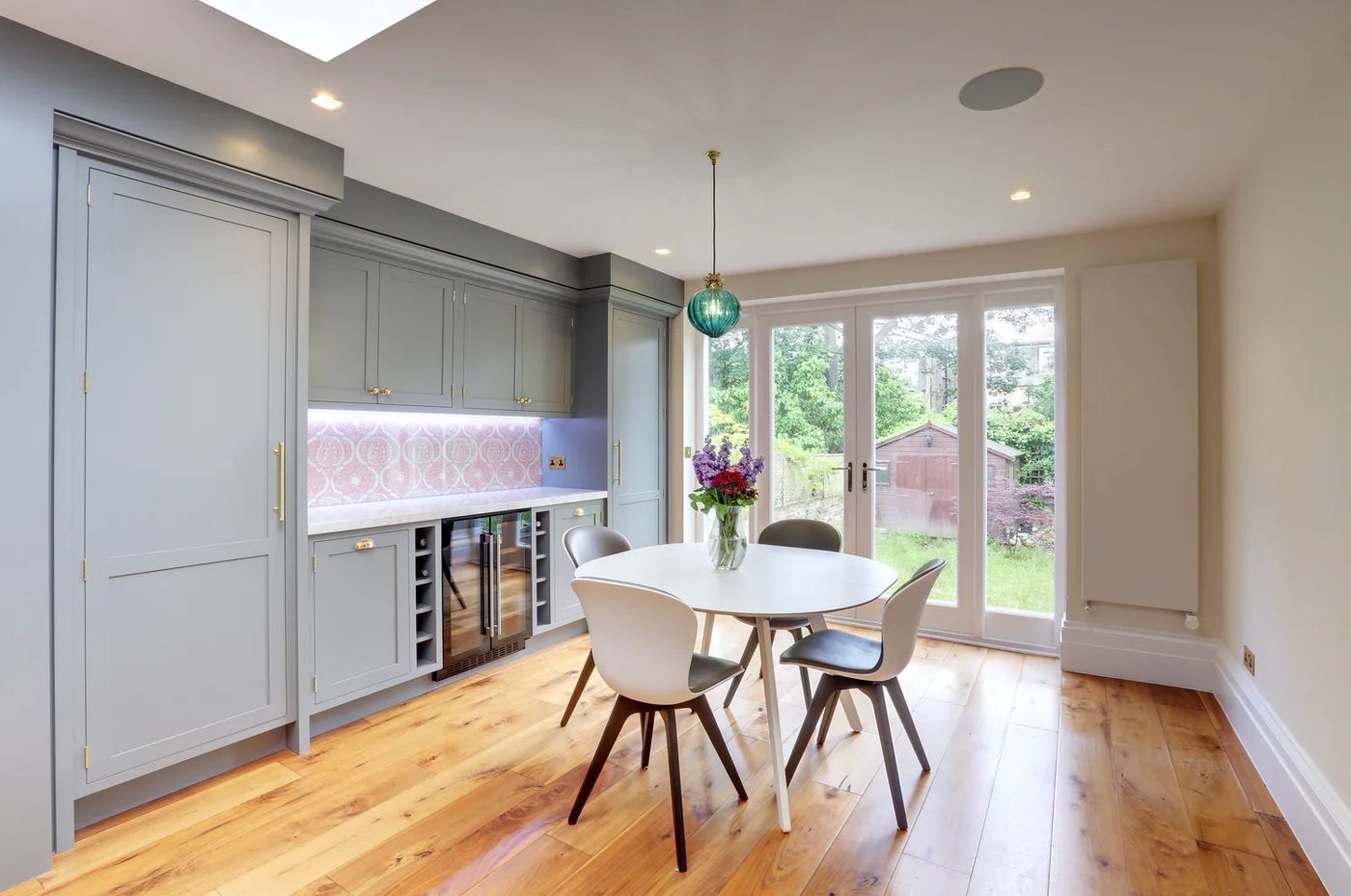
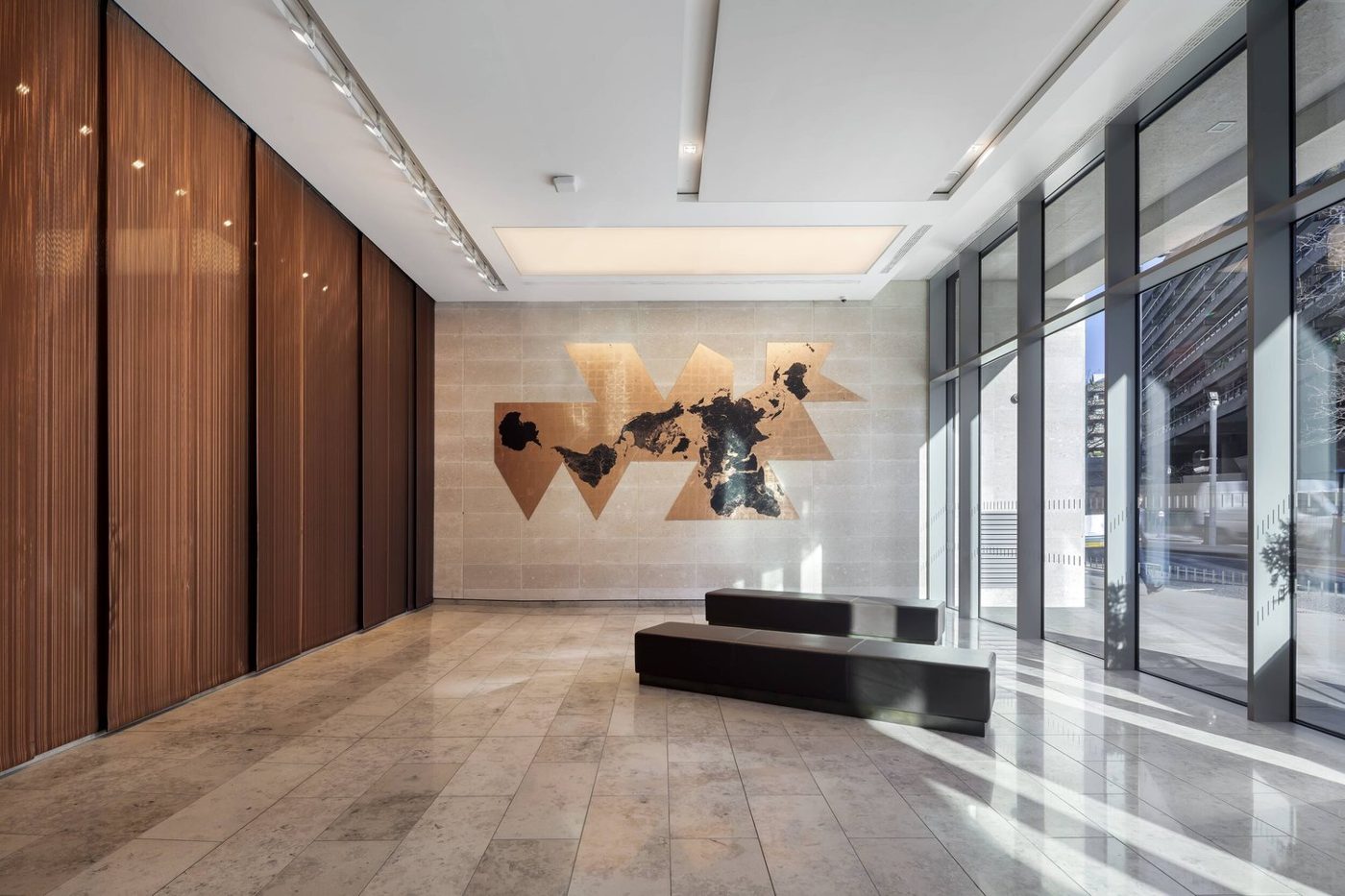
Homes and commercial space, photographed by us.
Questions developers and landlords ask us.
- Will you work with the agent we already have?
- Yes, whether they are selling homes or letting space. We build the website, take the photographs and run the campaigns, and your agent does the deal. We are used to working that way.
- When should marketing for a new development start?
- When the hoarding goes up, not when a launch date is set. A new scheme website needs months to rank on Google, and the area, the specification and progress photographs can all be published before the building exists.
- What do we do with a floor that has sat empty for a long time?
- Show something new before you cut the rent. Fresh photography and a 360 tour give your agents a reason to send the building round again. A lower rent on the same listing mostly tells people you need to let it.
- Will a 360 tour mean fewer viewings?
- Fewer wasted ones. Occupiers and their advisors look round on the tour before they shortlist, so the people who book a viewing are more likely to be serious. For new homes, buyers can see the show home before they travel to it.
- Is it worth it for one small scheme or a single building?
- Yes. Hardly anyone else publishes anything about a named scheme or its street, so a small site can come first for those searches. For a single building, the page stays up between lettings and is ready for the next one.
Show us the scheme or the space.
Tell us where the scheme is in the programme, or send us the building. We will tell you what a buyer or an occupier sees today and what should already be published.
Book a growth consultationOr send a message