Get shortlisted. Win the pitch.
Before a buyer calls you back, they look you up. What they find decides the shortlist before anyone reads your price.
We build what that check looks for: written case studies, real photography, 360 tours and a website that shows you have done this before.
Book a growth consultation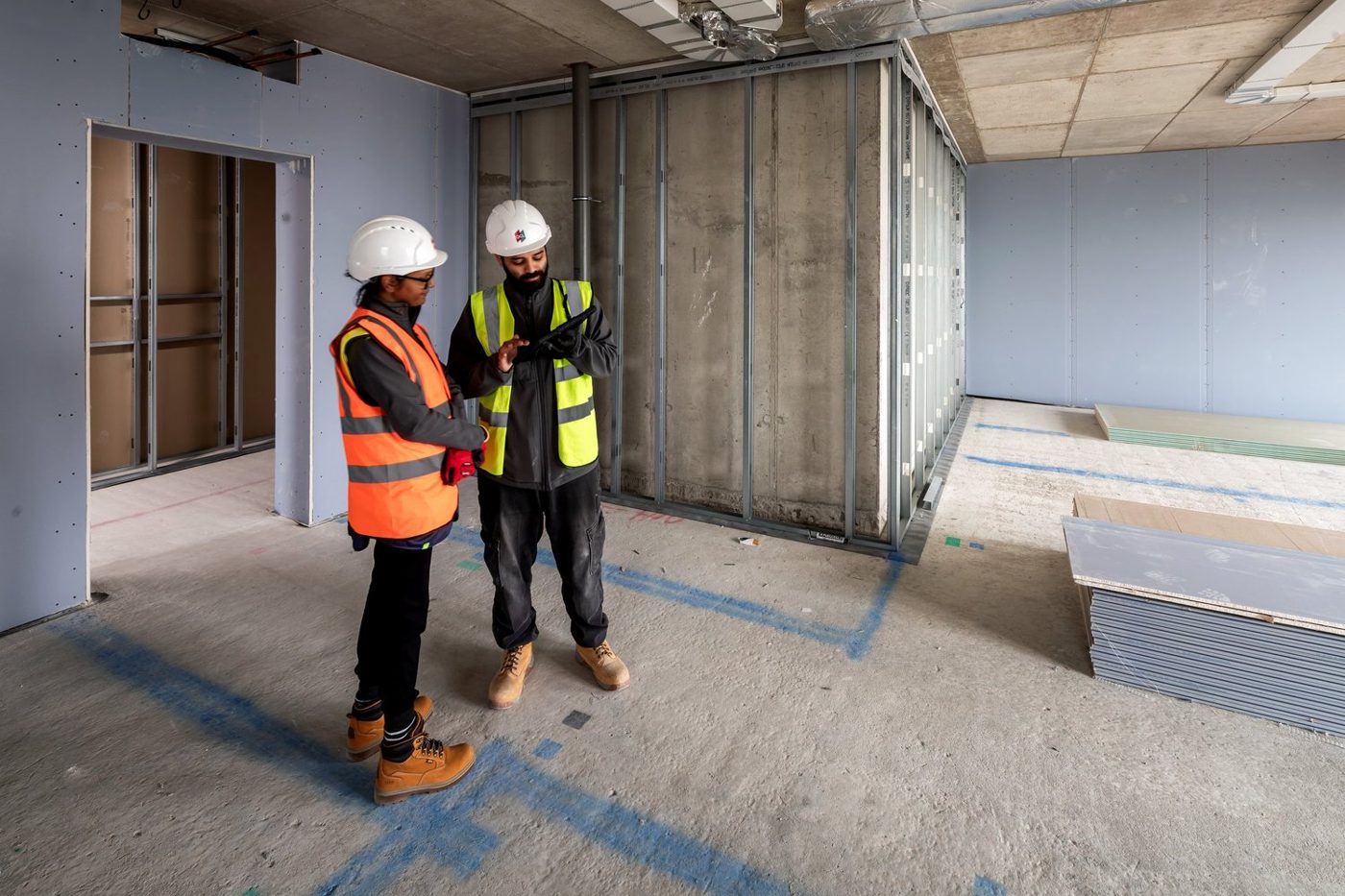

What is going wrong
A main contractor is letting a package and has four names on the longlist. Before anyone picks up the phone, twenty minutes go on Google, and two of the four get the call. Most firms have never run that search on their own name.
A thin site with nothing to verify
The buyer finds a website that introduces you and proves nothing.
- The latest news post is three years old
- Pictures that could be any firm in the sector
- Accreditations buried on an about page
Proof found in the first minute
The buyer finds a building like theirs, at a similar value, and a named person to ring.
- Project pages with client, value band and scope
- Accreditations shown with their registration numbers
- A finished job they can walk, one link away
The check happens quietly, and most websites are built for somebody else.
- 1
Nobody tells you it happened
The main contractor drawing up a tender list looks you up. So does the consultant asked to recommend you, and the client checking late in the process. Not one of them tells you.
- 2
Your site introduces when it should verify
Most contractor websites are built for somebody who has never heard of the firm. Almost nobody arrives that way. The visitor already has your name and wants a list: projects with values and dates, accreditations, sectors and a named person to speak to.
- 3
Everyone in the room says the same thing
Three firms make the shortlist, and each says it understands programme and finishes on time. A client cannot test that in a two-hour meeting. The firm that can show a finished job has something the others do not.
- 4
The check is run on a phone
The buyer is usually on a phone, and often on poor signal. If your site is slow there, as far as they are concerned it never loaded.
We give the check something to find.
Two or three properly written projects change how a firm reads on screen. We start there.
- 1
Read your site as a buyer would
Send us the link and tell us the work you are after. We go through your site the way a buyer does, then tell you honestly what they would think of you after two minutes.
Done with
- Discovery call
- 2
Write project pages a buyer can verify
Each project gets its own page, not a slot in a gallery. It says who the client was, the value band, how long it took, the scope, what was hard and how you dealt with it. If a client cannot be named, we describe them and give the value as a band.
Done with
- Case studies
- 3
Photograph your own work
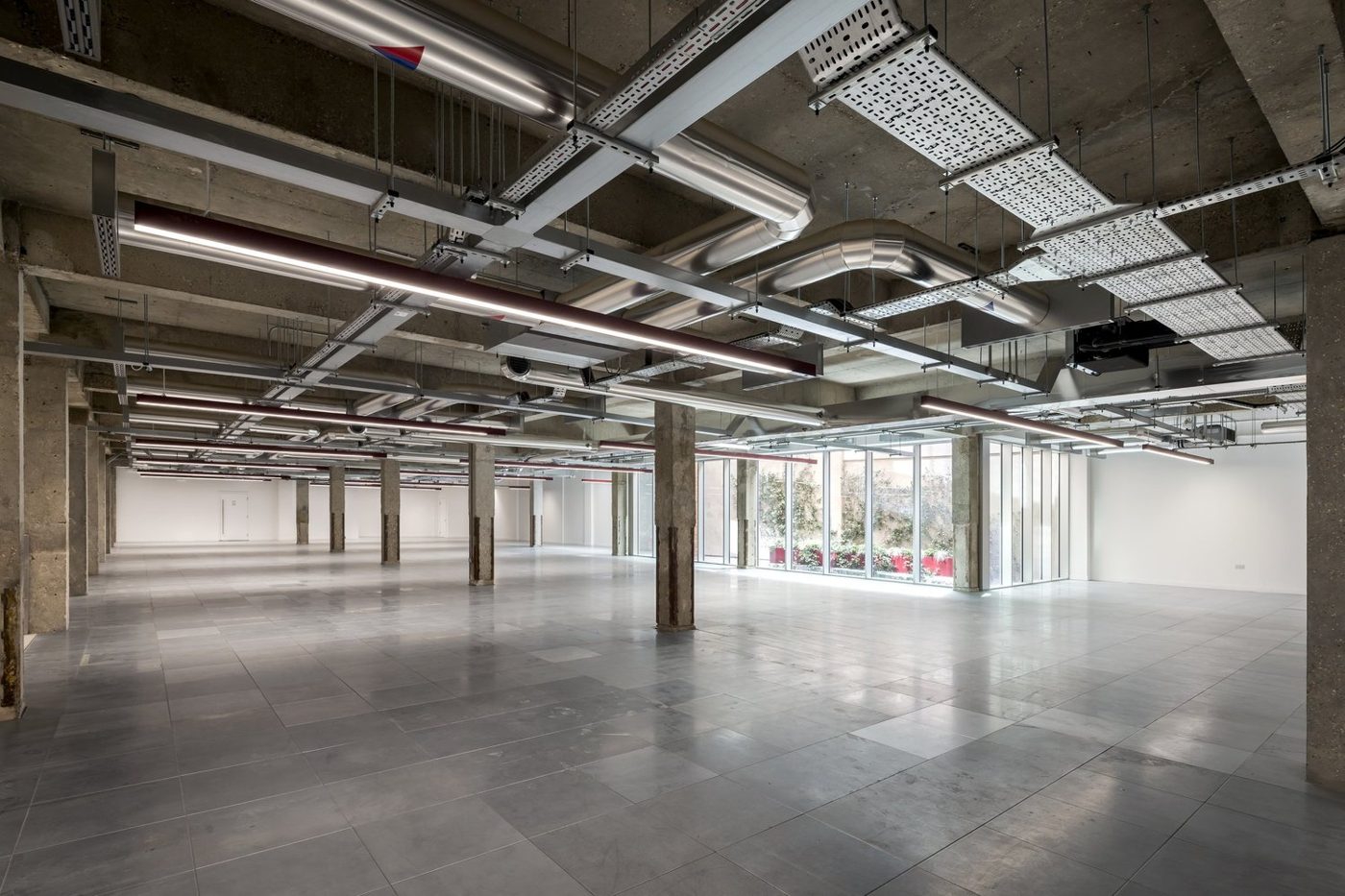
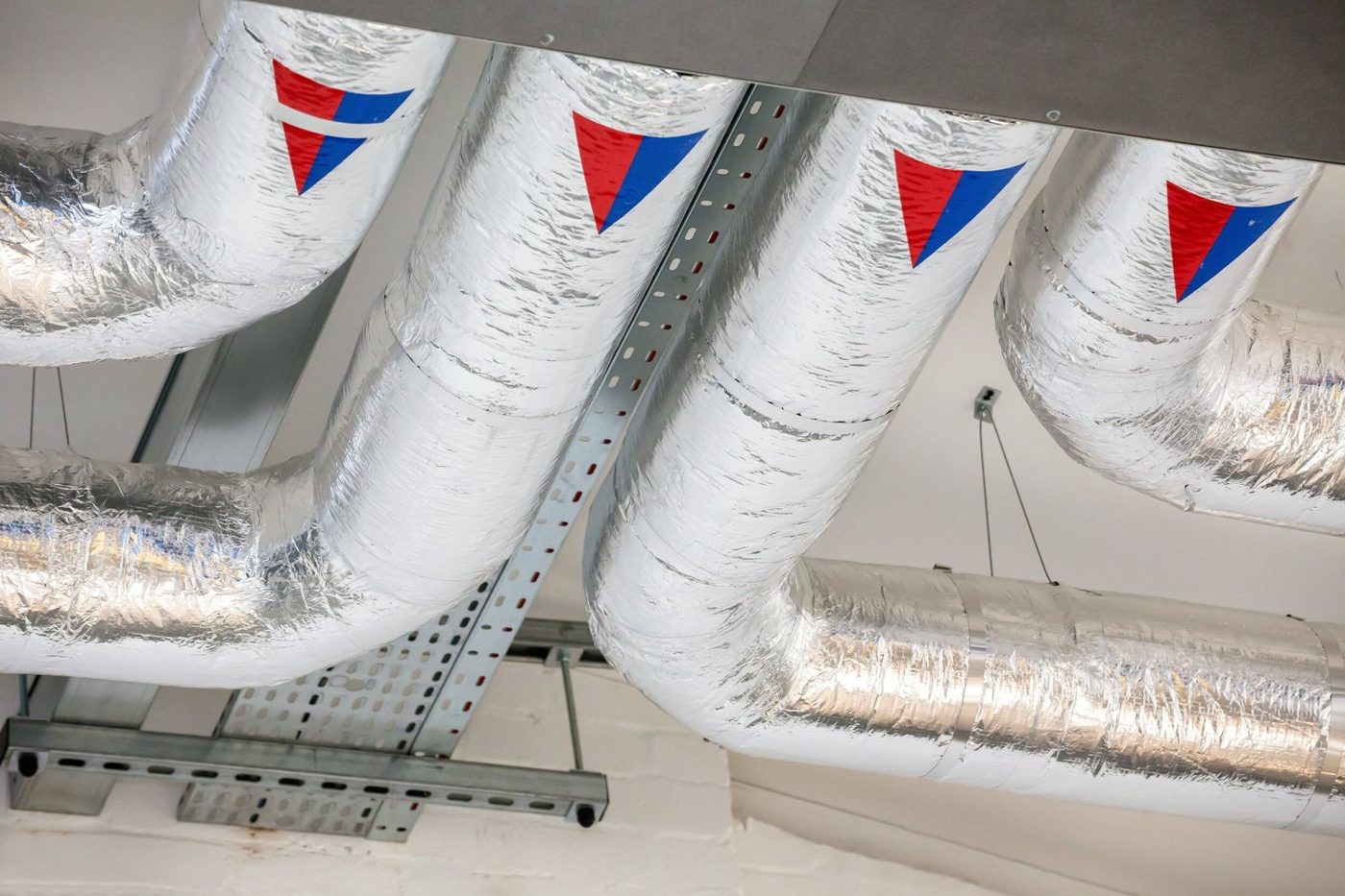
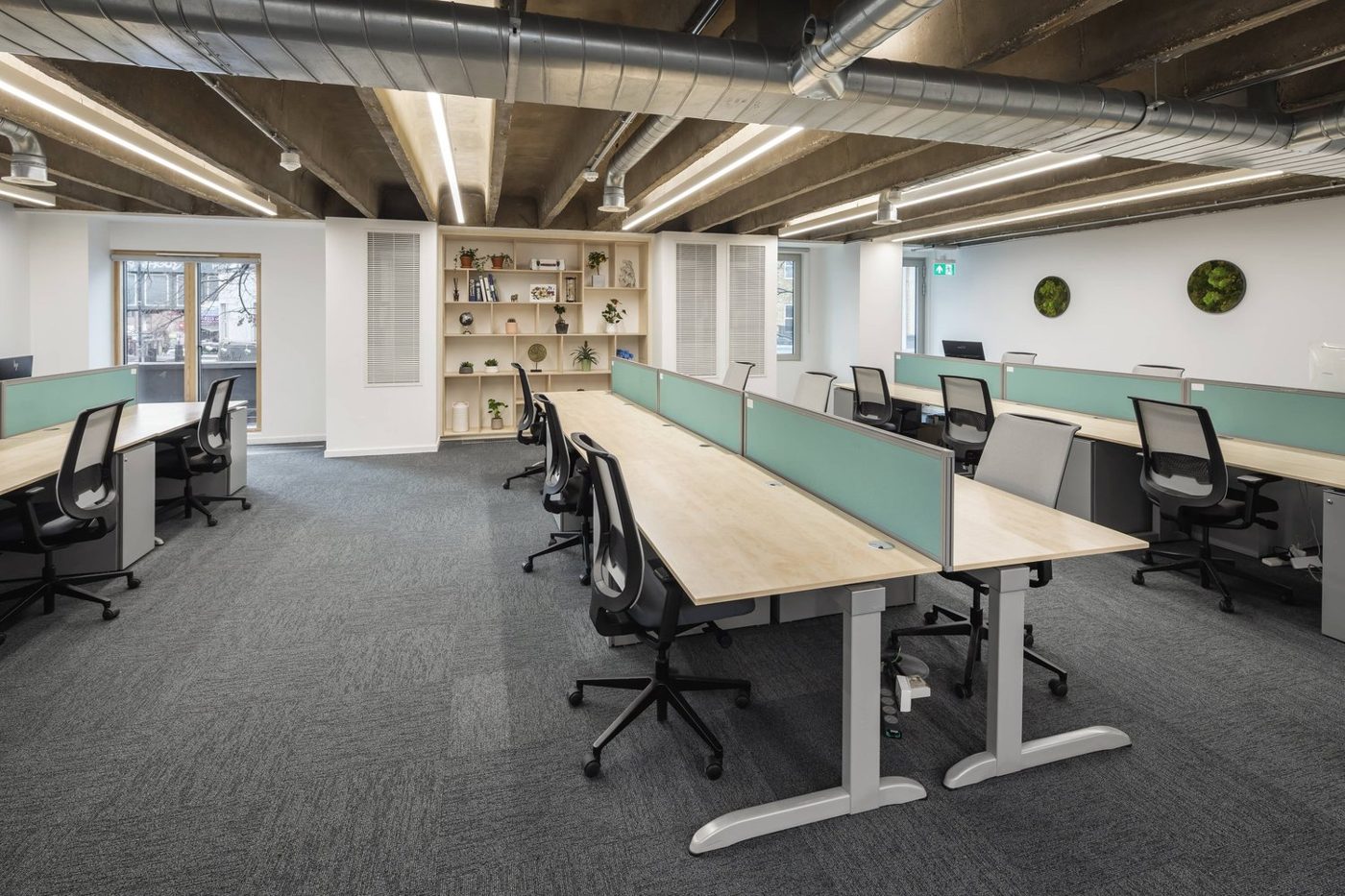
We photograph your jobs at practical completion, before the client's desks and boxes turn up. For M&E, the shot that matters is the clean, well-labelled install, taken before the ceiling closes.
Done with
- 4
Put a finished job in the pitch
A 360 tour lets a client walk a completed project from their desk. Sent ahead of the meeting, it answers the doubt nobody says out loud.
Done with
- 5
Build the site around the proof
Projects, accreditations and a named contact go where the eye lands first, on pages light enough to open in a portacabin on two bars of signal.
Done with
You have already done the work. We put it where a buyer looks first.
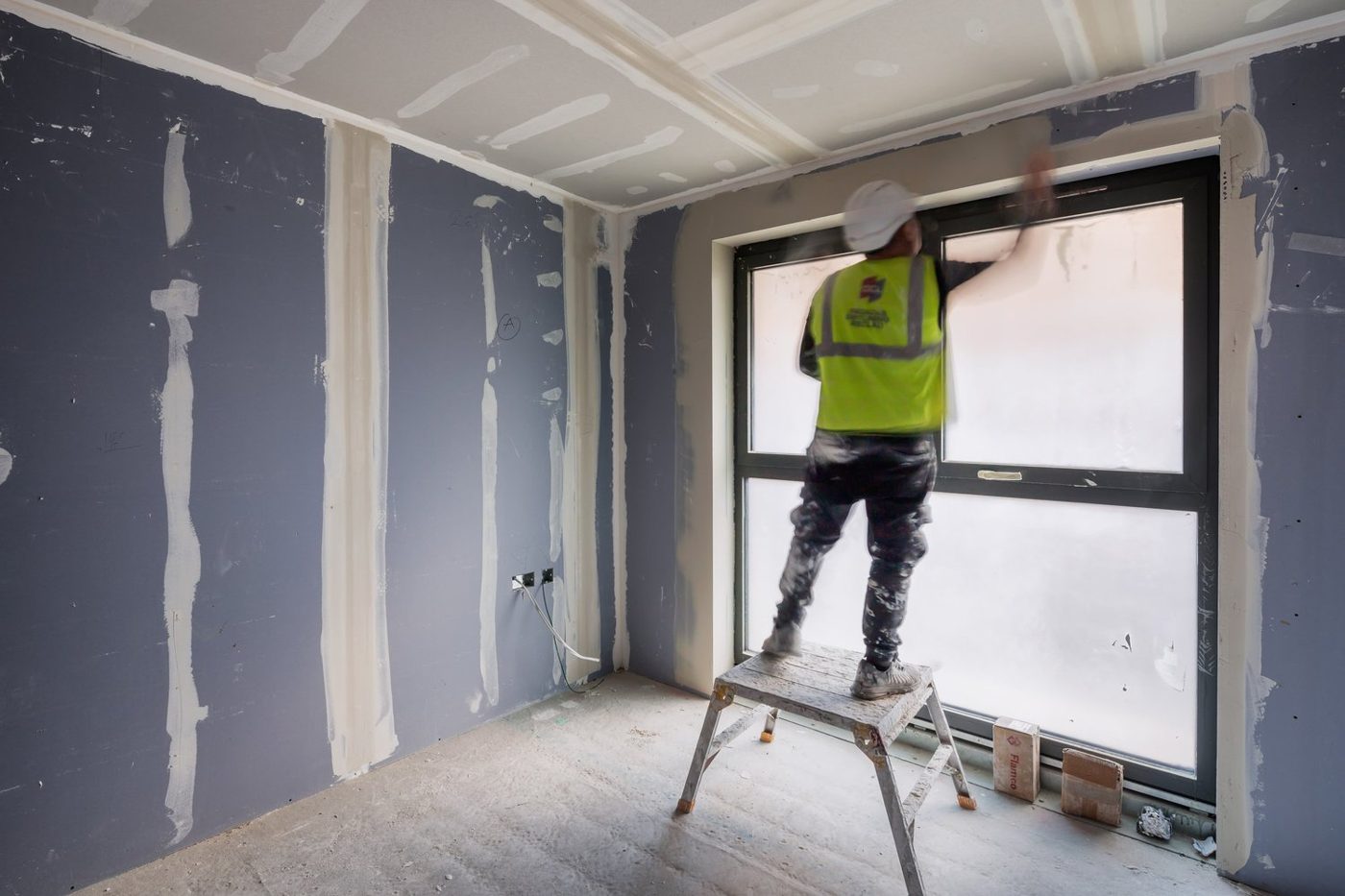
Site work and fit-out, shot by us.
Read how we think about it.
Questions contractors ask us.
- Most of our clients cannot be named. Can we still write the job up?
- Usually, yes. Give the value as a band and describe the client instead of naming them. A page about a City law firm's Cat B fit-out, finished in fourteen weeks, tells a buyer plenty and names nobody. Some clients who cannot be named will still sign off a description like that.
- Can we check ourselves the way a buyer would?
- Yes, and once a quarter is about right. Open a private browser window, search your company name, then your trade and region, and load your site on a phone. It takes twenty minutes, and you will usually come away with two or three things to fix.
- Is a 360 tour worth it for a pitch?
- For fit-out, yes. A finished job the client can walk is the strongest thing you can bring. If nobody has to picture a room, photography usually does more.
- We mostly work as a subcontractor. Is this for us?
- Yes, if anything more so. The main contractor putting a list together and the consultant asked to back you both look you up before they get in touch. This work is for that moment, not for winning over strangers.
- Do we need a whole new website?
- Not always. A rebuild makes sense when the site is slow, hard to update or gives the wrong picture of the firm. Often the speed, the opening line and the proof on the first screen can be put right on the site you have.
See what a buyer sees.
Tell us whose tender lists you want to be on and send us your site. On the first call we will say plainly what a buyer would make of it.
Book a growth consultationOr send a message