A plain guide to digital marketing for cladding companies
Architects, facade consultants and main contractors look cladding firms up before they call. What to put on your website, what to rank for and what to post.
- Topic
- Cladding
- Read
- 8 min
- By
- Cornerstone Group
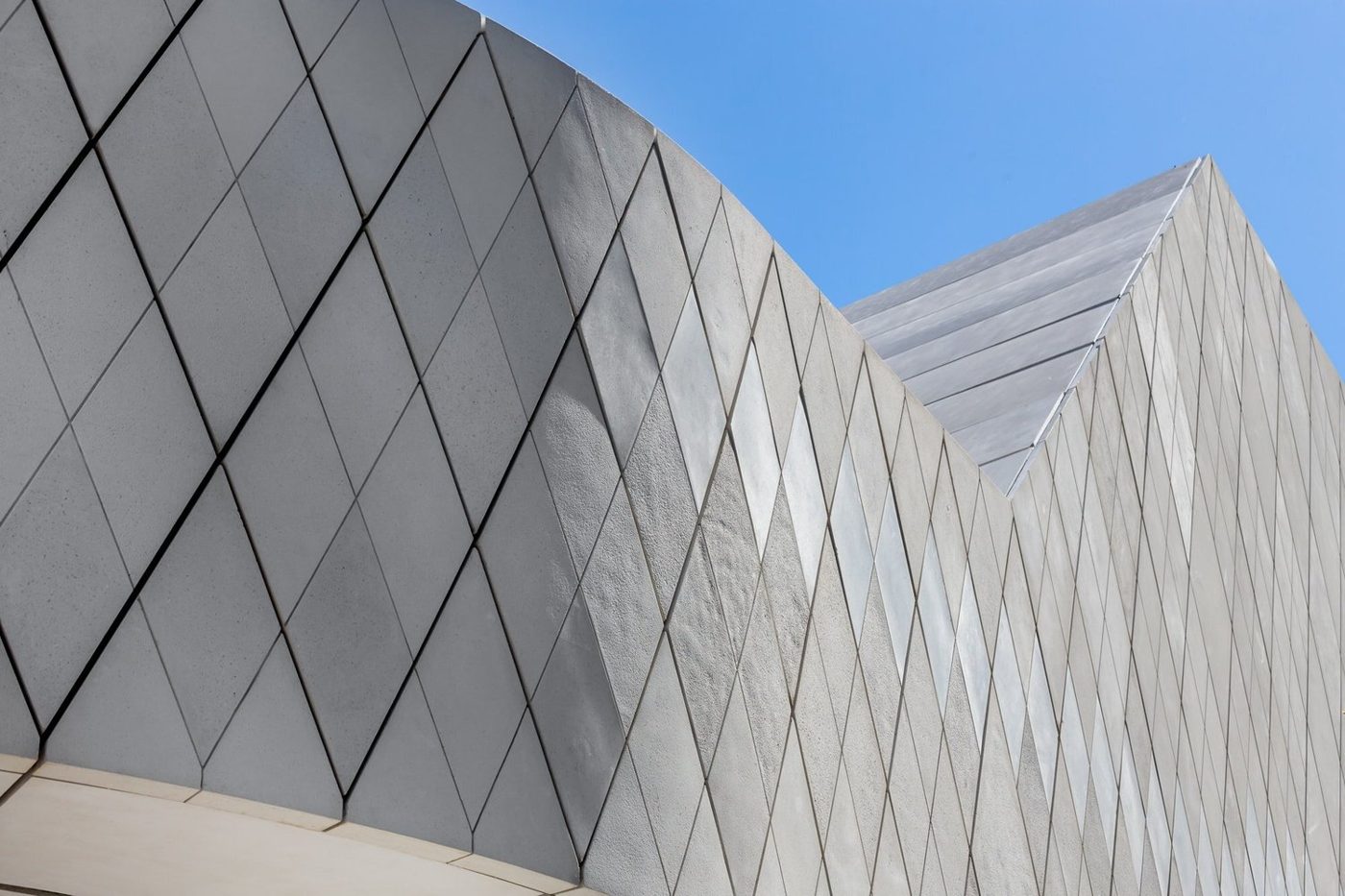
For a cladding company, digital marketing is mostly about what an architect, a facade consultant or a main contractor's package manager finds when they look you up. They should find your systems, your fire and test data, and finished buildings that look like the one they are working on, without having to ring anyone to get it. Most of the work is a website built around those three things, search pages for the exact phrases specifiers type, and a steady flow of finished-project photographs and write-ups that you can also use on LinkedIn and in tenders.
This applies whether you manufacture panels, distribute them or install them. The buyer is different in each case, and so is the search, but the person on the other end is usually a professional checking whether you are a safe pair of hands.
Who is looking you up
A manufacturer of rainscreen panels is mostly being checked by architects and facade engineers at the design stage. They search for a material and a performance requirement, something like terracotta rainscreen, fibre cement cladding A2-s1,d0 or aluminium cassette panel system, and they want product data they can put in a specification.
A distributor is checked by installers and contractors who already know the product and want to know who has it in stock, how fast they deliver and whether they can help with fixings and accessories.
An installer is checked by main contractors and developers. They often find you through a recommendation and then spend a few minutes on your website and LinkedIn deciding whether to put you on the tender list. They look for buildings of a similar height and type, the systems you have fitted, your accreditations and whether you look busy.
None of these searches have big numbers behind them, which is why many cladding firms decide SEO is not for them. A phrase that only a few dozen people search for each month can still be worth more than any consumer keyword, because one enquiry from it can be a whole facade package.
Put the fire and test information where people can find it
Since the Grenfell Tower fire, fire performance is usually the first thing a specifier checks on any external wall product. Regulation 7(2) of the Building Regulations has required materials in the external walls of relevant buildings, which broadly means residential buildings 18 metres and over, to be classified A2-s1,d0 or A1 since December 2018, and the Building Safety Act 2022 has made everyone on a project more careful about what they can evidence.
So the information people want first is the reaction to fire classification, the test reports behind it and the build-up the product was tested in. On a lot of cladding websites this sits in a PDF behind an email form, or only with the sales team, and a specifier with a deadline will usually move on to a product whose data they can see. Put the classification on the product page as plain text, and let people download the certificates and data sheets without filling in a form. Keep the sample request form for that, because a sample request is a real lead.
Build the website around systems and projects
A cladding website works best when it has a proper page for every system and every finished project, rather than one products page with a gallery underneath. Each page then has a chance to rank for its own search and can be sent on its own link.
One page per system
What it is, the panel sizes, colours and finishes, how it is fixed (visible or secret fix), what it can go onto, weight, fire classification, and any NBS or BIM files you have.
One page per finished project
The building, its use and height, the architect and main contractor if they are happy to be named, the system used, and what was difficult about the job. Two or three good photographs of the finished facade.
One page per type of work, for installers
Rainscreen, curtain walling, remediation, or whatever you actually do, with the projects that prove it linked from each page.
A downloads page with no form on it
Data sheets, certificates, installation guides and details in one place, so nobody has to ask.
If you sell through merchants or distributors as well, the same logic applies to the product information they need. We cover that side in more detail on our page about marketing for building materials companies.
SEO for cladding companies
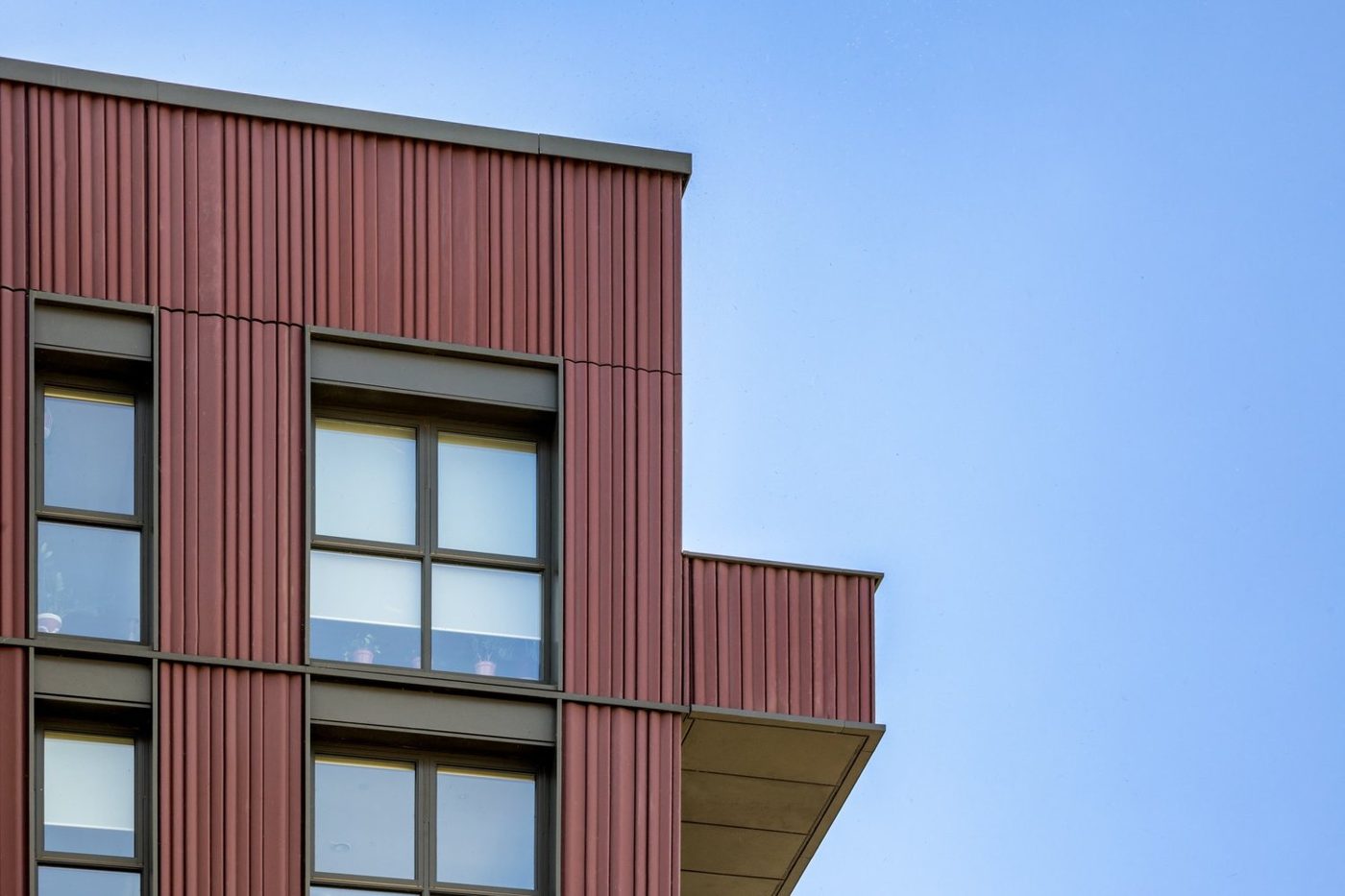
Good SEO for a cladding firm starts with listing the searches that would bring you work, and checking which ones already show your site. Google Search Console is free and shows both. Most firms find they appear for their company name and very little else, while the system and project pages they never built would have matched the searches specifiers actually make.
Typical searches worth a page are the material and the system (zinc standing seam cladding, ventilated rainscreen system), the material and the performance (A1 cladding panels, non-combustible cladding), and for installers the work and the place (cladding contractors Manchester, rainscreen installers London). Remediation work has its own set of searches, from building owners and managing agents rather than architects.
The pages also have to be technically sound. Plenty of firms in this sector have a website where the product data lives in images or PDFs that Google cannot read properly, or where every product sits on one long page with a single title. Fixing that is usually quicker than writing new content. Our SEO service page explains how we work on this for built environment firms.
Photograph and film your finished facades
Cladding is bought on the detail. An architect wants to see how the joints line up, how the corners are handled, what happens around windows and at the parapet, and how the colour looks in daylight. A phone photo taken from the scaffold does not show any of that, and a stock image of somebody else's building is worse than nothing, because specifiers usually recognise one.
We have photographed for facade material brands including Equitone, and filmed OCL Facades projects such as West End Gate and Twelve Trees from the build through to handover. The pictures from one well-timed visit end up on the website, the project pages, LinkedIn, tender submissions and award entries for years afterwards. It is worth booking once the scaffold is down and before the building gets weathered or the ground floor fills with signage. There is more on how we do this on our architectural photography page.
Content and social that specifiers actually use
The content that works for cladding firms is mostly technical and practical. Explain the differences between systems, how to detail cavity barriers and window reveals with your product, what to check when comparing fire classifications, and what lead times look like at different times of year. These are the questions your technical team answers by email every week, and each answer can become a page that keeps getting found.
LinkedIn is the one social channel most cladding firms need to take seriously, because architects, facade consultants and contractors are all on it. Post finished projects with the architect and main contractor tagged, short progress updates from site, and your own technical articles. Instagram can help a manufacturer whose product looks good, since some architects use it to collect ideas, but for most installers it is optional.
Getting onto the specification
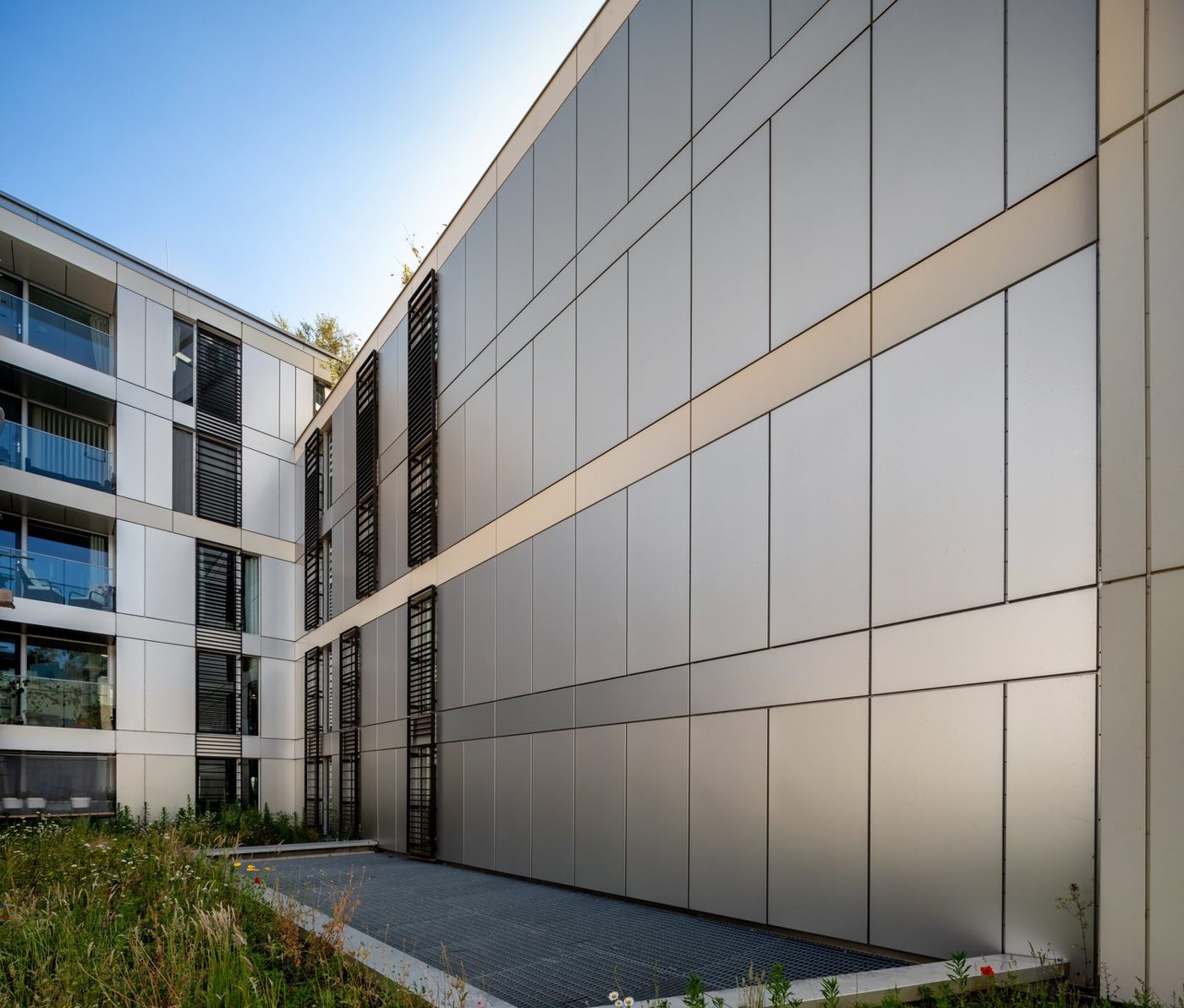
For manufacturers, the aim of all of this is to be written into the specification rather than added later as an approved equal. That means being listed where specifiers look, such as NBS Source and the RIBA Product Selector, offering a CPD seminar architects can book, and making samples and technical support easy to request from every product page. We have written a longer guide on how to get specified by architects.
Installers have a similar problem with main contractors. The aim is to be on the tender list for the right jobs, and the website is where a package manager checks you before deciding. A clear list of projects by building type and height, your accreditations and a named contact who replies quickly does more here than any advertising.
What to measure
Leave website visits and follower counts for the end of the report. The numbers that tell you whether digital marketing is working for a cladding company are enquiries, sample requests, data sheet downloads and tender invitations, and which pages and searches they came from. If you can tie an enquiry back to the project page someone read before calling, you know which projects to write up next.
How much does digital marketing cost for a cladding company?
It depends on what the website needs and how much content there is to make, so we do not publish a price. We work on 30 day rolling contracts, and a short call is the quickest way to get a figure for your firm.
How long does SEO take to work for a cladding company?
Usually months rather than weeks. The first sign is new pages showing up in Search Console for searches they never appeared for before, and enquiries follow once those pages reach the first page of Google.
Is Google Ads worth it for cladding installers?
It can be for installers working in a defined area, on narrow searches such as cladding contractors plus a town. Broad searches like cladding bring in homeowners and job seekers, so the campaign needs a long list of searches to block.
Do cladding manufacturers need social media?
LinkedIn, yes, because specifiers and contractors use it. Other channels are optional and depend on whether your product photographs well and who you are trying to reach.